
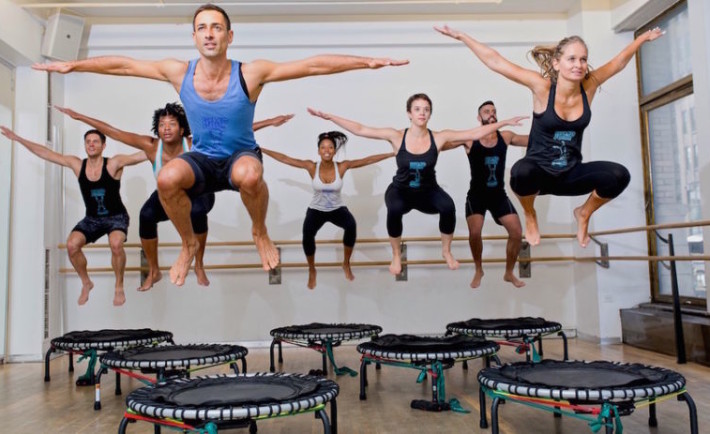

Many adults only realise how important balance and coordination are when something feels off. A missed step on a staircase, an ankle that feels weak during sports, or a general sense of clumsiness during fast movements are often signs that the body’s stabilising systems are undertrained. Trampoline-based workouts offer a practical way to improve these qualities in a controlled environment. Because every bounce requires you to re-centre your body, balance and coordination are trained continuously rather than in short, isolated drills. If you are exploring a trampoline class singapore, this style of training can be especially effective for building ankle strength, improving coordination, and enhancing confidence in movement.
Why balance training matters more than most people think
Balance is not just about standing on one leg. It is the ability to control your body’s position while moving, changing direction, or reacting to unexpected shifts. This involves your muscles, joints, inner ear, vision, and nervous system working together.
In daily life, balance helps with:
-
Walking on uneven surfaces
-
Navigating crowded spaces
-
Carrying loads while moving
-
Reacting quickly to slips or missteps
As people spend more time sitting and less time moving in varied ways, these systems can become less responsive. Trampoline training helps reverse that trend by reintroducing controlled instability.
How a trampoline challenges balance differently from the floor
On a stable floor, your body can rely on predictable ground contact. On a trampoline, the surface moves with you, which changes how balance is maintained.
Each bounce creates a brief moment where your body is slightly unweighted, followed by controlled landing. During this process, your stabilising muscles must respond quickly to keep you upright and aligned.
This constant adjustment improves what is known as proprioception, your body’s awareness of where it is in space. Strong proprioception is a key factor in good balance and injury prevention.
The role of the nervous system
Balance improvements are not just muscular. Your nervous system learns to process feedback from your joints and muscles more efficiently. Over time, reactions become quicker and smoother, which makes movement feel more confident and controlled.
Ankle stability and why it is often overlooked
Ankles are the foundation of movement. When they are weak or poorly controlled, stress often travels upward to the knees and hips. Many adults have a history of ankle sprains or stiffness from old injuries, which can quietly affect balance long after the initial pain is gone.
Trampoline training places gentle but repeated demands on the ankles. The joint moves through small ranges repeatedly, encouraging strength and coordination without excessive impact.
How rebounder movement supports ankle strength
During a trampoline class, the ankles:
-
Absorb and release force with each bounce
-
Adjust subtly to keep the foot level
-
Work in multiple directions rather than only forward
This multidirectional demand helps rebuild stability that carries over into daily activities and sports.
Foot mechanics that improve balance on the trampoline
Good balance starts at the feet. How your foot contacts the trampoline surface influences everything above it.
A helpful concept is maintaining even pressure across the foot rather than rolling inward or outward. This creates a stable base for the ankle and knee.
Signs of improved foot control include:
-
Less wobbling during directional changes
-
Smoother transitions between movements
-
Reduced fatigue in the lower legs
If balance feels shaky, lowering bounce height and slowing movements often allows better control to develop.
Coordination and rhythm, more than just following music
Coordination involves timing movements accurately and efficiently. In trampoline classes, rhythm-based tracks encourage coordination by linking movement to tempo.
As tempo changes, your body must adapt quickly. Faster sections challenge reaction speed, while slower sections test control and precision.
This combination trains the brain and body to work together, improving overall movement quality.
Why rhythm helps learning
Music provides an external cue that simplifies movement timing. Instead of thinking about every step, you respond to rhythm, which can make coordination improvements feel more natural and enjoyable.
Directional movement and spatial awareness
Many trampoline sessions include movements that travel slightly forward, backward, or side to side. These shifts require spatial awareness, understanding where you are on the trampoline and adjusting accordingly.
Improving spatial awareness helps with:
-
Avoiding collisions in crowded environments
-
Navigating uneven ground
-
Moving confidently in sports or group activities
On a trampoline, spatial errors are felt immediately, which accelerates learning and correction.
Progressing balance safely without increasing impact
Balance improvements do not require higher jumps or aggressive movements. In fact, control often improves faster with smaller, more precise actions.
Ways balance challenge increases naturally include:
-
Slower, more controlled transitions
-
Brief single-leg emphasis within movements
-
Direction changes with reduced momentum
-
Longer continuous sequences without stopping
These progressions enhance stability while keeping joint stress manageable.
Who benefits most from trampoline-based balance training
While almost anyone can benefit, certain groups often see noticeable improvements.
People who sit for long hours may regain better body awareness and coordination. Recreational athletes may find improved agility and ankle confidence. Older adults often appreciate the controlled environment that allows balance training without high impact.
Even those who already exercise regularly may discover weaknesses in balance that trampoline training helps address.
Managing dizziness or instability during early sessions
Some people feel slightly disoriented when first using a trampoline. This is usually temporary as the body adapts.
Helpful strategies include:
-
Keeping eyes focused forward rather than down
-
Using smaller movements initially
-
Taking brief pauses if needed
-
Staying hydrated
Adaptation typically happens within a few sessions as the nervous system adjusts.
Integrating trampoline balance work into a weekly routine
For best results, trampoline training should complement other forms of exercise rather than replace them entirely.
A balanced weekly routine might include:
-
Trampoline classes for balance, coordination, and cardio
-
Strength training for hips, glutes, and calves
-
Light mobility or walking on recovery days
This combination supports stable, confident movement across different environments.
If you want access to this variety of training styles within one ecosystem, you can explore the broader offerings at TFX Singapore and design a routine that fits your goals and schedule.
Long-term benefits beyond the studio
Improved balance and coordination influence more than workouts. They affect how you move throughout the day.
With consistent trampoline training, people often notice:
-
Fewer awkward stumbles
-
Greater confidence during fast movements
-
Improved ease when navigating stairs or uneven ground
-
Better overall body control
These changes contribute to a more active and confident lifestyle.
FAQ
I feel wobbly during side-to-side movements, is that normal?
Yes, especially at first. Side-to-side movements challenge stabilisers differently from straight bouncing. Reduce speed and focus on control until stability improves.
Can trampoline training help prevent future ankle sprains?
While no exercise can guarantee injury prevention, improving ankle strength, coordination, and proprioception can reduce risk and improve confidence during movement.
Is balance training on a trampoline safe for older adults?
When movements are scaled appropriately and bounce height is controlled, trampoline training can be a safe way to work on balance. Medical clearance is recommended for those with existing conditions.
How often should I do trampoline classes to improve balance?
Two sessions per week is a good starting point. Consistency matters more than intensity for balance improvements.
I play sports, will this help my agility?
Yes. Improved coordination and ankle stability can translate into quicker reactions and better control during sports movements.
What shoes are best for balance on a trampoline?
Stable training shoes with good lateral support are usually best. Avoid overly soft or unstable footwear that reduces control.
I feel calf fatigue quickly, does that affect balance?
Early calf fatigue is common. Lower bounce height and focus on smooth landings. Calf endurance usually improves with regular practice.
Can balance improvements carry over to daily life?
Yes. Better balance and coordination often show up in everyday tasks like walking, carrying items, and navigating crowded spaces.

Comments are closed.