
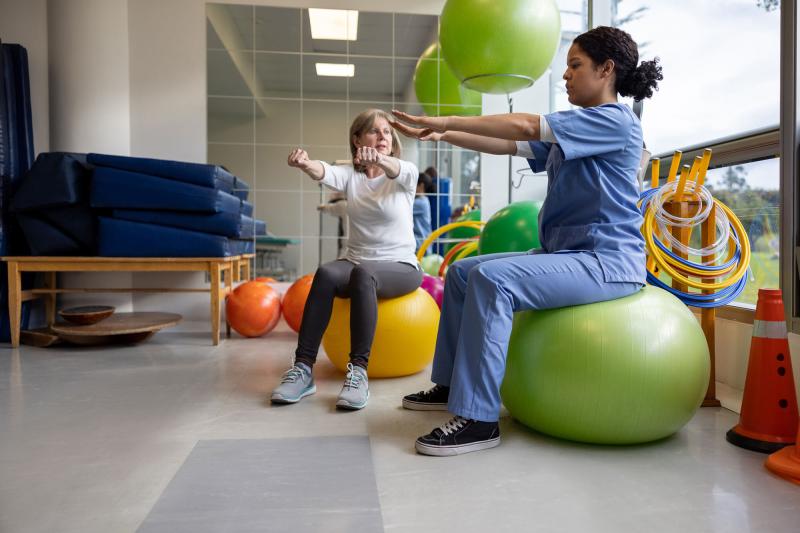

When injury, illness, or developmental challenges disrupt a person’s life, the primary focus often lands heavily on medical stabilization and major symptom relief. However, surviving a medical crisis is only the first step of the journey. The real challenge often begins when an individual attempts to return home and resume the normal routines of everyday life, such as cooking a meal, dressing independently, typing on a computer, or bathing safely.
Occupational therapy plays a transformative role in bridging this critical gap. Rather than focusing solely on a specific disease or diseased body part, occupational therapy concentrates on the whole person and their ability to engage in meaningful daily activities. By utilizing targeted interventions, adaptive strategies, and environmental modifications, occupational therapists empower individuals of all ages to reclaim their autonomy, rebuild their confidence, and participate fully in the world around them.
Defining Occupational Therapy and Its Core Purpose
Many people mistakenly believe that occupational therapy focuses strictly on helping individuals find employment or return to a physical job site. While vocational rehabilitation can certainly be a component, the term occupation in this context refers to all the daily activities that occupy a person’s time and attention. These activities encompass everything required to care for oneself and maintain a meaningful life.
Occupational therapists evaluate how a person interacts with their physical and social environment to identify barriers that prevent them from performing necessary tasks. They work across the entire lifespan, helping premature infants develop foundational feeding skills, assisting children with sensory processing differences in school, supporting adults recovering from strokes, and guiding older adults as they adapt to age-related changes in mobility and cognition.
-
Activities of daily living: Essential self-care tasks including bathing, dressing, grooming, eating, and personal hygiene management.
-
Instrumental activities of daily living: More complex life management tasks such as cooking, cleaning, managing finances, taking medications, and driving.
-
Work and education: Interventions designed to help individuals manage schoolwork demands, classroom setups, or professional job duties safely and efficiently.
The Comprehensive Evaluation Process
Every occupational therapy intervention begins with a thorough, individualized evaluation. Because no two people experience a health condition in the exact same way, a standardized treatment plan is rarely effective. The therapist looks closely at the physical, cognitive, and emotional components of the patient’s life to understand how specific deficits impact their daily routines.
During this initial assessment, the therapist observes the patient performing specific tasks, evaluates their range of motion and muscle strength, assesses coordination and balance, and examines cognitive functions such as memory, attention, and problem-solving. They also evaluate the layout of the patient’s home or workplace to determine whether physical modifications can improve safety and accessibility.
-
Task analysis: Breaking down complex daily chores into smaller, manageable steps to pinpoint the exact moment a breakdown in performance occurs.
-
Environmental assessment: Inspecting home layouts, lighting, bathroom fixtures, and staircases to identify fall hazards and physical barriers.
-
Goal setting: Collaborating directly with the patient and their family members to establish meaningful, functional goals that align with their personal values.
Rehabilitation Strategies for Physical Recovery
Physical impairments resulting from orthopedic surgeries, traumatic injuries, strokes, or progressive neurological conditions can severely limit a person’s physical independence. Occupational therapy utilizes a blend of therapeutic exercises, neuromuscular re-education, and manual techniques to restore lost physical function and dexterity.
When complete physical recovery is not possible, therapists excel at teaching compensatory strategies. This involves training patients to perform tasks using alternative techniques or specialized tools. For example, an individual with severe arthritis in their hands might learn to use ergonomic utensils with built-up handles, or a person with the use of only one arm might learn specialized dressing techniques that require no assistance from others.
-
Fine motor skill refinement: Engaging in targeted manual dexterity exercises to improve finger control, grip strength, and hand-eye coordination.
-
Energy conservation techniques: Teaching individuals with chronic fatigue or cardiopulmonary conditions how to pace themselves throughout the day to avoid burnout.
-
Splinting and orthotics: Designing custom splints to protect healing joints, maintain proper alignment, and prevent muscular contractures.
Pediatric Occupational Therapy
Children experience the world primarily through play, learning, socializing, and exploring their environments. When developmental delays, autism spectrum disorder, sensory processing differences, or physical disabilities interfere with these occupations, a child’s overall growth and confidence can suffer. Pediatric occupational therapists use play-based interventions to help children build foundational life skills.
These therapy sessions often look like structured play, but every activity is carefully designed to target specific neurological and motor deficits. Through obstacle courses, swings, tactile bins, and writing exercises, therapists help children regulate their sensory systems, improve hand-writing legibility, and develop the fine motor control needed to tie shoes and use utensils independently.
-
Sensory integration therapy: Helping children process and respond appropriately to various sensory inputs such as loud sounds, bright lights, or different textures.
-
School readiness skills: Assisting children with pencil grip, cutting with scissors, organizing school materials, and interacting positively with peers.
-
Play participation: Ensuring children can engage in recreational activities and playground games safely alongside other children.
Cognitive and Neurological Rehabilitation
Cognitive function is just as critical to independent living as physical strength. Conditions such as traumatic brain injuries, concussions, strokes, and early-stage dementia can impair memory, executive functioning, attention span, and spatial awareness. These deficits can make managing finances, following a multi-step recipe, or navigating familiar neighborhoods extremely dangerous.
Occupational therapists utilize cognitive rehabilitation strategies to retrain the brain or establish compensatory external scaffolding. This can include setting up digital reminder systems, using structured checklists, organizing living spaces logically to reduce cognitive load, and practicing problem-solving drills tailored to real-life scenarios.
-
Executive function training: Helping individuals practice planning, organization, time management, and self-monitoring skills.
-
Memory compensation: Introducing memory notebooks, pill organizers, and smartphone alarms to maintain independence with medication management and daily schedules.
-
Visual perception retraining: Assisting individuals who experience visual field cuts or spatial neglect after a stroke to safely scan their environment.
Frequently Asked Questions
How does occupational therapy differ from physical therapy?
While physical therapy primarily focuses on restoring mobility, strength, and gross motor function in specific body parts, occupational therapy focuses on helping you use those physical capabilities to perform actual daily tasks and participate in meaningful life activities.
Do I need a doctor referral to see an occupational therapist?
In many regions and healthcare systems, a physician referral or prescription is required for occupational therapy services to be covered by health insurance. However, some private clinics allow direct access consultations depending on local regulations.
Can occupational therapy help older adults age in place safely?
Yes, geriatric occupational therapists specialize in evaluating home safety, recommending structural modifications like grab bars and ramps, and teaching balance and transfer techniques to help older adults remain safely in their own homes.
How long does a typical occupational therapy program last?
The duration varies greatly depending on the patient’s diagnosis, severity of impairment, and personal goals. Some people require only a few sessions to learn specific adaptive techniques, while others benefit from several months of structured rehabilitation.
Is occupational therapy covered by health insurance?
Most major health insurance policies, Medicare, and Medicaid cover occupational therapy services when they are deemed medically necessary by a physician and provided by a licensed occupational therapist.
What should I expect during my very first occupational therapy appointment?
Your first appointment will typically involve a comprehensive consultation and evaluation where the therapist discusses your medical history, assesses your physical and cognitive abilities, and collaborates with you to set specific recovery goals.
Can occupational therapists help with chronic pain management?
Yes, occupational therapists teach individuals with chronic pain conditions how to modify daily activities, utilize ergonomic principles, implement pacing strategies, and engage in gentle movement to reduce pain interference during daily tasks.

Comments are closed.