
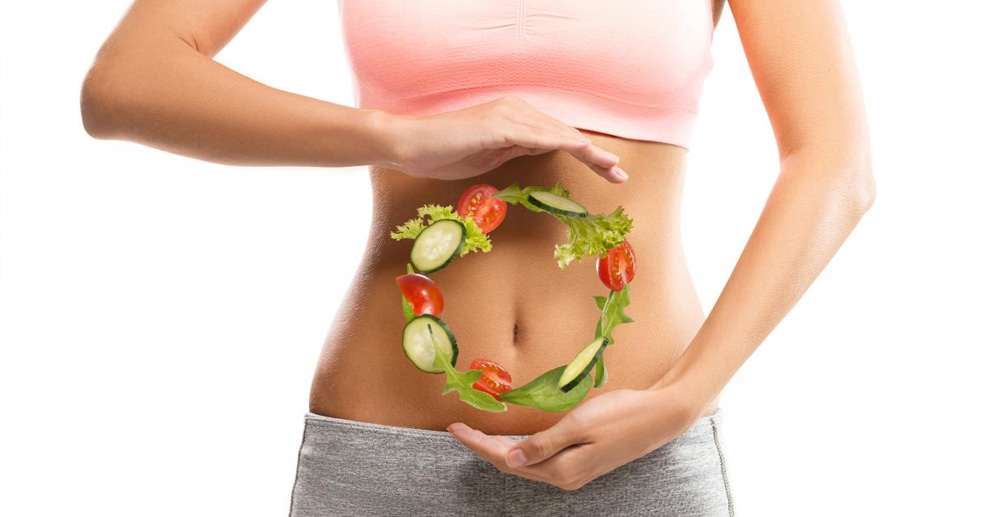

Your digestive system plays a vital role in maintaining overall health, supporting nutrient absorption, immunity, and energy balance. When your gut functions properly, it promotes vitality, mental clarity, and long-term wellness. However, poor dietary habits, stress, and processed foods can disrupt digestive health, leading to bloating, discomfort, and other gastrointestinal issues. Following strategic diet tips to improve your digestive health can help restore balance, enhance nutrient absorption, and promote a thriving gut microbiome.
Understanding Digestive Health
The digestive system includes the mouth, esophagus, stomach, intestines, liver, and pancreas, all working together to break down food, absorb nutrients, and eliminate waste. Optimal digestive health depends on balanced gut flora—trillions of beneficial bacteria that support digestion, immune response, and even mood regulation. When gut bacteria become imbalanced, it can lead to issues such as constipation, diarrhea, acid reflux, and inflammation.
Your diet directly influences the gut environment. Certain foods can nourish beneficial bacteria and maintain a healthy intestinal lining, while others may cause irritation and slow digestion. By making mindful dietary choices, you can naturally enhance your body’s digestive function and overall well-being.
Eat Fiber-Rich Foods Daily
Fiber is one of the most important nutrients for digestive health. It adds bulk to stool, prevents constipation, and feeds beneficial gut bacteria. A high-fiber diet also reduces the risk of developing gastrointestinal disorders and supports stable blood sugar levels.
Types of dietary fiber:
- Soluble fiber: Found in oats, apples, and legumes; helps regulate blood sugar and soften stool.
- Insoluble fiber: Found in whole grains, nuts, and vegetables; promotes bowel regularity.
Best fiber-rich foods for digestion:
- Leafy greens such as spinach and kale
- Whole grains like quinoa, brown rice, and barley
- Fruits including berries, pears, and apples
- Legumes such as lentils, beans, and chickpeas
- Seeds like chia and flaxseeds
Aim for at least 25–35 grams of fiber daily, increasing intake gradually to avoid bloating.
Stay Hydrated for Smooth Digestion
Water is crucial for breaking down food and ensuring nutrients move smoothly through the digestive tract. It softens stool, preventing constipation and supporting efficient waste elimination. Dehydration slows digestion and increases the likelihood of discomfort.
Hydration tips for better digestion:
- Drink at least 8–10 glasses of water per day.
- Start your morning with a glass of water before breakfast.
- Limit excessive caffeine and alcohol, as they can dehydrate the body.
- Incorporate hydrating foods such as cucumbers, oranges, and watermelon.
Warm water or herbal teas like peppermint or ginger tea can also help soothe the digestive tract and reduce bloating.
Incorporate Probiotic and Prebiotic Foods
A balanced gut microbiome depends on a steady supply of probiotics (beneficial bacteria) and prebiotics (food for those bacteria). These nutrients work together to maintain intestinal balance and improve digestion.
Probiotic-rich foods:
- Yogurt with live cultures
- Kefir
- Sauerkraut and kimchi
- Miso and tempeh
- Kombucha
Prebiotic foods that feed gut bacteria:
- Garlic
- Onions
- Asparagus
- Bananas
- Oats
Including both probiotics and prebiotics in your diet helps cultivate healthy gut flora, strengthens immunity, and reduces symptoms of irritable bowel syndrome (IBS).
Eat Slowly and Practice Mindful Eating
Rushed eating can lead to overeating, indigestion, and bloating. Chewing food thoroughly allows digestive enzymes in the saliva to begin breaking down nutrients effectively. Eating slowly also signals satiety to the brain, preventing discomfort and promoting better portion control.
Mindful eating strategies:
- Avoid distractions such as screens while eating.
- Take small bites and chew each thoroughly.
- Savor flavors and textures of your meal.
- Pause between bites to assess hunger levels.
Practicing mindful eating enhances digestion by allowing the stomach and intestines to process food efficiently without strain.
Limit Processed and Fried Foods
Highly processed and fried foods often contain unhealthy fats, added sugars, and artificial ingredients that disrupt gut bacteria and slow digestion. They are harder for the body to break down and can cause inflammation in the digestive tract.
Foods to limit or avoid:
- Fast food and deep-fried snacks
- Refined carbohydrates such as white bread and pastries
- Sugary beverages and sweets
- Processed meats like sausages and deli meats
Instead, opt for whole, nutrient-dense foods that are minimally processed. Cooking methods such as steaming, baking, or grilling preserve nutrients and promote easier digestion.
Include Healthy Fats in Your Diet
Healthy fats are essential for nutrient absorption, particularly fat-soluble vitamins like A, D, E, and K. They also lubricate the digestive tract, supporting smoother bowel movements. The right types of fats can reduce inflammation and support gut integrity.
Healthy fat sources:
- Avocados
- Olive oil
- Fatty fish like salmon and sardines
- Nuts and seeds
- Flaxseed and chia oil
Avoid trans fats and heavily processed oils, which can irritate the gut and contribute to inflammation.
Balance Your Meals with Macronutrients
A balanced meal that includes protein, complex carbohydrates, and healthy fats supports stable blood sugar and efficient digestion. Too much of one macronutrient, such as refined carbs or fats, can disrupt digestion.
Example of a balanced meal:
- Grilled chicken or tofu (protein)
- Quinoa or sweet potato (complex carbs)
- Sautéed vegetables with olive oil (healthy fats)
Eating balanced meals throughout the day stabilizes energy, reduces cravings, and minimizes digestive stress.
Manage Portion Sizes
Overeating puts excess strain on the stomach and digestive system, leading to bloating and discomfort. Eating moderate portions allows the stomach to process food efficiently.
Tips for portion control:
- Use smaller plates to avoid overeating.
- Fill half your plate with vegetables.
- Wait at least 15 minutes before deciding on seconds.
- Avoid eating until you feel uncomfortably full.
Portion awareness ensures your digestive organs can function optimally without being overloaded.
Avoid Excessive Sugar and Artificial Sweeteners
High sugar intake feeds harmful bacteria in the gut, disrupting microbiome balance. Artificial sweeteners like aspartame and sucralose can also negatively impact gut health and digestion.
Healthier sweet alternatives:
- Small amounts of honey or pure maple syrup
- Fruits for natural sweetness
- Stevia (in moderation)
Keeping sugar intake minimal supports a balanced gut environment and stable energy levels.
Eat at Consistent Times
Your digestive system functions best when it follows a regular rhythm. Irregular eating patterns can confuse digestion and cause bloating or indigestion.
How to establish a regular eating schedule:
- Eat meals at roughly the same time every day.
- Avoid skipping breakfast or late-night meals.
- Space meals 3–4 hours apart for proper digestion.
A consistent eating routine allows digestive enzymes and hormones to synchronize with your body’s needs.
Reduce Stress for Better Digestion
Stress directly affects gut function. The brain and gut are connected through the gut-brain axis, meaning emotional tension can slow digestion and trigger discomfort.
Ways to manage stress for digestive health:
- Practice deep breathing or meditation.
- Engage in gentle physical activity such as walking or yoga.
- Get adequate rest and quality sleep.
- Avoid eating while stressed or upset.
Reducing stress supports smoother digestion and prevents flare-ups of issues like acid reflux or IBS.
Include Digestive Enzymes and Herbal Support
Certain foods and herbs naturally stimulate digestive enzyme production and soothe the digestive tract. These can improve nutrient breakdown and alleviate symptoms like bloating.
Natural digestive aids:
- Pineapple and papaya (contain bromelain and papain)
- Ginger (stimulates digestion and reduces nausea)
- Fennel (relieves gas and bloating)
- Peppermint (relaxes digestive muscles)
Incorporating these natural remedies regularly can enhance gut comfort and efficiency.
Avoid Overconsumption of Alcohol and Caffeine
Both alcohol and caffeine can irritate the stomach lining and lead to dehydration. Over time, excessive intake may alter gut microbiota and trigger acid reflux.
Better alternatives:
- Herbal teas such as chamomile or licorice root
- Decaffeinated coffee or green tea in moderation
- Limit alcohol to occasional, moderate use
Balancing these stimulants helps protect the digestive lining and maintain hydration.
Get Adequate Sleep
Sleep plays a crucial role in digestive regulation. Lack of sleep can disrupt gut bacteria balance and hormone function, leading to poor digestion and irregular appetite.
Tips for better sleep:
- Maintain a consistent bedtime routine.
- Avoid heavy meals right before bed.
- Limit screen time at night to improve melatonin production.
- Create a calm, dark, and cool sleeping environment.
Restorative sleep supports both metabolism and digestive efficiency.
Move Your Body Regularly
Physical activity aids digestion by stimulating intestinal contractions and preventing constipation. It also enhances circulation to the digestive organs, promoting optimal function.
Effective exercises for better digestion:
- Walking after meals
- Yoga poses that massage abdominal organs
- Swimming or cycling for cardiovascular support
Regular movement not only supports digestion but also relieves stress, creating a holistic benefit for the gut.
FAQs
Q1: Can eating late at night affect digestion?
Yes. Eating heavy meals close to bedtime slows digestion and can cause acid reflux or bloating. Aim to finish eating at least two to three hours before sleep.
Q2: How can I tell if my digestive system is healthy?
Signs of good digestion include regular bowel movements, minimal bloating, good energy levels, and no chronic discomfort. Frequent gas, pain, or irregularity may indicate imbalance.
Q3: Are supplements necessary for digestive health?
Most people can improve digestion through a balanced diet. However, digestive enzyme or probiotic supplements can be helpful if you experience persistent issues.
Q4: Can intermittent fasting help digestion?
Yes, intermittent fasting can give your digestive system time to rest and may improve gut microbiome diversity, but it’s important to stay hydrated and eat nutrient-rich meals during eating windows.
Q5: What role does chewing play in digestion?
Chewing is the first step of digestion. It breaks food into smaller pieces, allowing enzymes in saliva to start nutrient breakdown, which improves absorption and reduces digestive strain.
Improving your digestive health is not about drastic changes but about consistent, mindful eating and lifestyle habits. By following these diet tips to improve your digestive health, you can support a strong gut, better absorption, and overall well-being for the long term.

Comments are closed.