
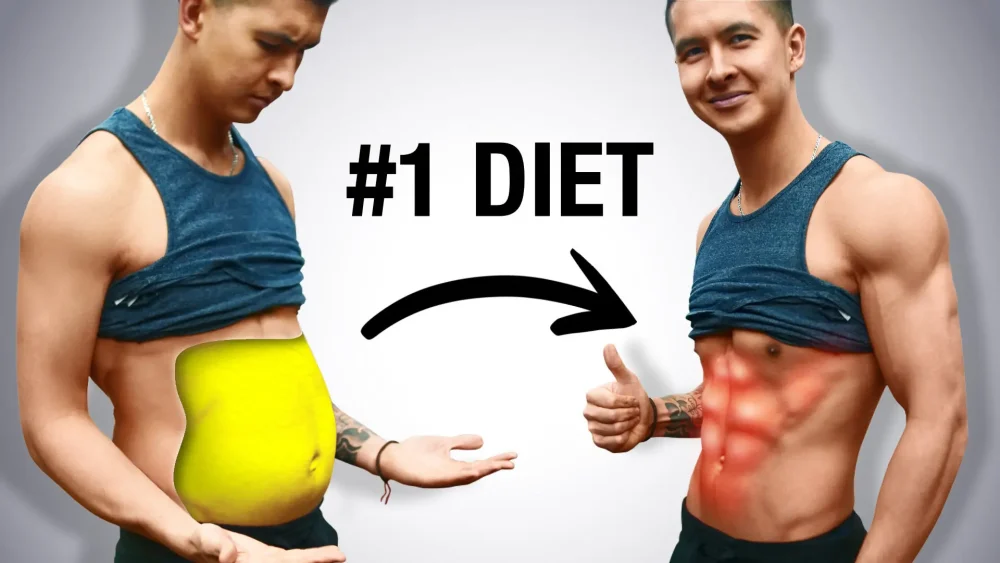

Losing weight is a powerful accomplishment, but the real challenge begins once the diet ends. Many people manage to shed pounds only to regain them months later. Learning how to maintain weight loss after dieting isn’t about continuing to restrict your food forever — it’s about building a sustainable, enjoyable lifestyle that supports your new, healthy weight.
Maintaining weight loss requires more than willpower; it demands consistency, realistic habits, and an understanding of how your body adapts after losing weight. Let’s dive deep into practical, evidence-backed strategies that help you keep the weight off for good.
Why Weight Regain Happens After Dieting
Before learning how to prevent weight regain, it’s essential to understand why it happens. Your body doesn’t see dieting as an achievement — it sees it as a threat to survival. When you lose weight, your body activates biological and behavioral responses that make maintaining that loss harder.
1. Slower Metabolism
After dieting, your metabolism naturally slows down because you’re lighter and need fewer calories to maintain your body weight. This process is called metabolic adaptation. It means the calorie intake that once helped you lose weight may now cause you to maintain — or even gain — if you’re not careful.
2. Increased Hunger Hormones
When body fat decreases, hormones that regulate appetite change. The hunger hormone ghrelin rises, while leptin, which signals fullness, decreases. This hormonal shift increases your desire to eat and makes it easier to overconsume calories.
3. Old Habits Return
Many dieters view weight loss as a short-term goal rather than a long-term change. Once they hit their target weight, they return to old habits — larger portions, less activity, emotional eating — leading to weight regain.
4. Environmental Triggers
We live in an environment that promotes overeating. Fast food, processed snacks, oversized portions, and sedentary lifestyles all encourage slow, steady regain unless you actively create habits to resist them.
The Foundation of Long-Term Weight Maintenance
Maintaining weight loss after dieting requires a balanced approach — not constant restriction. The goal is to find your “new normal”: a way of living that keeps your weight stable without feeling deprived or obsessed.
1. Redefine Your Relationship with Food
Instead of viewing food as “good” or “bad,” shift your mindset to balance and moderation. Focus on the quality and purpose of what you eat, not just calories.
Eat for nourishment, not punishment
After dieting, many people feel anxious about food, fearing it will make them regain weight. Instead of focusing on fear, focus on fuel — nutrients that energize, satisfy, and heal your body.
Choose nutrient-dense meals
Your plate should include:
- Lean protein such as chicken, fish, eggs, or tofu
- Whole grains like quinoa, oats, or brown rice
- Healthy fats from avocado, nuts, or olive oil
- Colorful vegetables and fruits for fiber and vitamins
Keep your protein intake high
Protein helps preserve lean muscle and keeps you full longer. Aim to include a source of protein with every meal and snack.
Practice portion control
After weight loss, your calorie needs are lower. Using smaller plates, eating slowly, and stopping when you’re 80% full can help you stay in balance without counting calories obsessively.
2. Maintain Consistent Physical Activity
Exercise is one of the strongest predictors of successful weight maintenance. It not only burns calories but also helps regulate hormones, mood, and metabolism.
Make movement part of your lifestyle
Aim for at least 150 to 250 minutes of moderate-intensity activity per week. That’s roughly 40 minutes of brisk walking or exercise, five days a week.
Include strength training
Muscle burns more calories at rest than fat. Incorporating resistance training two to three times a week helps preserve lean mass and prevents your metabolism from slowing further.
Stay active beyond the gym
Non-exercise movement matters too. Take stairs, walk after meals, stand while working, or park farther away. These small choices add up and prevent a sedentary lifestyle from creeping back in.
Find what you enjoy
You don’t need to run marathons. Whether it’s swimming, dancing, cycling, or hiking, the best exercise is one you’ll actually do consistently.
3. Develop a Maintenance Mindset
Mindset plays an enormous role in whether you maintain your results or fall back into old patterns.
Make this your lifestyle, not a “phase”
Dieting is temporary; living healthy isn’t. View maintenance as an ongoing process — not the end of your journey. The moment you see your new habits as permanent, your chances of success rise dramatically.
Set realistic expectations
Your weight may fluctuate by a few pounds from day to day — that’s normal. Focus on trends over time, not daily changes.
Track your progress mindfully
Self-monitoring helps you stay aware. You don’t have to obsessively weigh yourself, but checking in once a week can help you catch small changes before they grow.
Reframe setbacks
You will occasionally overeat or skip workouts — that’s part of life. What matters is how quickly you return to your routine. Consistency beats perfection every time.
4. Keep a Structured, Flexible Routine
Structure provides stability, while flexibility keeps things sustainable. You need both to maintain your new weight.
Plan your meals
Meal planning reduces impulsive eating. Keep healthy staples stocked and prep meals ahead of time to avoid resorting to convenience foods.
Allow for treats
Completely restricting favorite foods can lead to rebellion. Instead, plan small indulgences — a piece of chocolate, a slice of pizza — so they fit into your routine without guilt or bingeing.
Adjust calories gradually
If you’ve finished a calorie-restricted diet, slowly increase your calories by about 100–200 per week until your weight stabilizes. This prevents rebound weight gain and helps you identify your true maintenance intake.
5. Strengthen Emotional Awareness and Self-Control
Emotional eating is one of the most common causes of regain after dieting. Learning to recognize and manage emotions without turning to food is key.
Identify emotional triggers
Notice when you eat out of boredom, stress, or sadness. Ask yourself if you’re truly hungry or just looking for comfort.
Build alternative coping tools
Instead of eating, try journaling, walking, meditating, or calling a friend. The goal isn’t to suppress emotion but to handle it in a healthier way.
Build accountability
Share your goals with someone supportive — a friend, family member, or coach. Accountability keeps you motivated when enthusiasm fades.
6. Prioritize Sleep and Stress Management
Weight maintenance isn’t just about diet and exercise — sleep and stress are equally important.
Sleep enough
Poor sleep alters hunger hormones, making you crave high-calorie foods. Aim for 7–9 hours of sleep per night to keep your metabolism and appetite balanced.
Manage chronic stress
Long-term stress increases cortisol, a hormone linked to belly fat and emotional eating. Use stress-reducing habits such as deep breathing, stretching, or time outdoors to maintain calm and control.
7. Adjust and Reassess Regularly
Your maintenance plan should evolve as your life changes. New jobs, aging, travel, and lifestyle shifts can affect your habits and metabolism.
Schedule “checkpoints”
Every few months, review your habits. Ask:
- Am I eating mostly whole foods?
- Am I still active most days?
- Is my weight staying stable?
If something feels off, adjust your activity, calories, or meal timing before things drift too far.
Accept small fluctuations
It’s normal for your weight to fluctuate by 2–5 pounds. Don’t panic — instead, use that feedback to tighten habits temporarily until you stabilize.
The Science of Long-Term Weight Control
While each person’s journey is unique, research on successful maintainers reveals several shared behaviors that work:
- High activity levels: Most maintainers engage in moderate physical activity for at least 60 minutes per day.
- Consistent eating patterns: They eat similar meals on weekdays and weekends, avoiding wild swings.
- Regular monitoring: They weigh themselves regularly to spot early signs of regain.
- Low consumption of processed foods: Diets rich in whole foods make maintenance easier.
- Strong social support: Family or community involvement increases accountability and motivation.
These traits reflect long-term thinking — not short-term dieting — and that’s the real secret behind permanent weight loss.
How to Maintain Weight Loss After Dieting in Everyday Life
To keep your results for the long run, you need realistic strategies that fit into your daily routine. Here’s a blueprint you can follow:
Daily Habits
- Eat three balanced meals with protein, fiber, and healthy fats
- Drink plenty of water throughout the day
- Move for at least 30–60 minutes
- Practice portion control and mindful eating
- Sleep 7–9 hours nightly
- Spend a few minutes reflecting on your progress or journaling
Weekly Habits
- Weigh yourself once a week or take measurements
- Meal prep or grocery shop for the upcoming week
- Plan physical activities like a workout class or outdoor hike
- Revisit your goals and reward progress
- Take a rest or self-care day to recover physically and mentally
Common Mistakes That Lead to Weight Regain
Even with the best intentions, certain habits make weight maintenance difficult. Avoid these pitfalls:
- Assuming maintenance is effortless – It still requires awareness and consistency
- Falling back into old habits – The behaviors that caused weight gain before will do so again
- Ignoring exercise – Relying only on diet neglects metabolism and muscle preservation
- Underestimating calories – As you maintain, even small miscalculations can lead to slow regain
- All-or-nothing thinking – One slip-up doesn’t erase your progress; it’s part of the process
- Neglecting sleep and stress – Both can derail hormone balance and hunger control
Frequently Asked Questions
Q: How long does it take for my body to adapt to my new weight?
Your body can take anywhere from six months to two years to fully adapt to a lower weight. The longer you maintain it, the more your body “resets” its new normal.
Q: Can I stop tracking calories once I’m maintaining?
Yes — once you’ve learned portion awareness and consistent habits, you can shift from calorie counting to intuitive eating. Just continue regular check-ins to ensure you’re stable.
Q: Is it normal to gain a few pounds after stopping a strict diet?
Absolutely. Some initial gain (2–5 pounds) is just glycogen and water returning as you eat normally again. As long as it stabilizes, it’s not true fat regain.
Q: Do I have to exercise every day to keep the weight off?
Not necessarily, but staying active most days helps maintain your results. Combine structured workouts with active living — walking, chores, playing sports, or hobbies.
Q: What’s the biggest secret to maintaining weight loss long-term?
Consistency. You don’t need perfection — just persistent, small actions repeated daily. Sustainable results come from habits, not willpower alone.
Maintaining your new weight after dieting isn’t about staying on a “diet” forever — it’s about embracing your healthier self as your new normal. By following balanced nutrition, staying active, managing stress, and maintaining awareness, you can transform short-term success into lifelong health and confidence.

Comments are closed.