
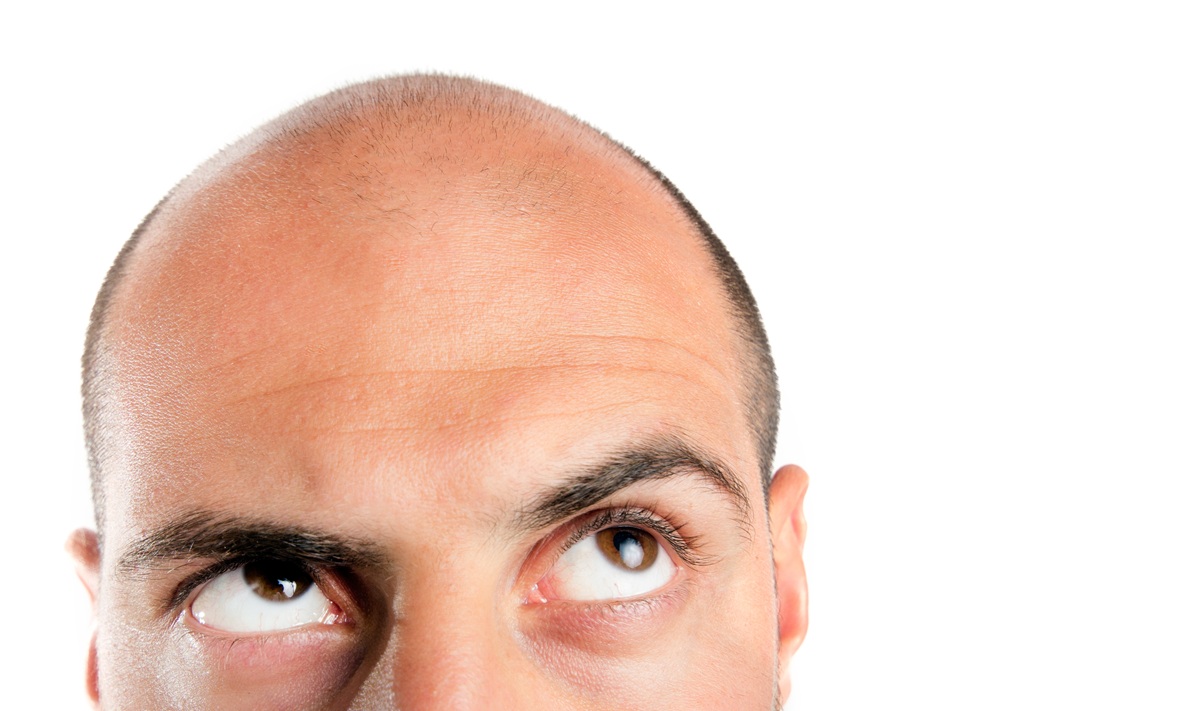

On average, we have between 100,000 to 150,000 hairs on our heads, with up to 100 strands falling out daily. Normally, 90% of our hairs are in the active growth phase at all times, so these lost strands are usually replaced automatically as they fall off.
However, certain conditions such as involutional alopecia, androgenic alopecia and telogen effluvium can disrupt this balance and cause you to suffer excessive hair loss. For some, this hair loss is so intense that it leaves them completely bald.
Thankfully, we have advanced remedies such as Scalp Micropigmentation (SMP) to help people with baldness remedy their situation.
SMP is a non-surgical, non-invasive treatment that uses semi-permanent ink to create the illusion of hair growth on the scalp. This hair restoration technique is similar to tattooing and involves applying small amounts of ink that matches the client’s natural hair colour to the scalp.
Types of Hair Loss That Can Be Addressed Using Scalp Micropigmentation
Several types of hair loss can be treated with SMP, including:
- Involutional alopecia: A condition that causes hair loss due to aging.
- Androgenic alopecia: A condition that causes hair loss due to hormonal imbalances.
- Telogen effluvium: A condition that causes hair loss due to stress, medication, or hormonal changes.
- Alopecia areata: An autoimmune disease that causes hair loss.
Also Read: Hair Loss and Stress: How to Break the Cycle
How SMP Addresses Baldness
Here are the core ways through which SMP addresses and treats baldness:
Creating a Hairline that Looks Natural
A natural hairline is essential for framing the face and creating a youthful appearance for you. SMP artists use specialised techniques to recreate the natural curve and shape of your hairline.
They study your facial structure, and hair growth patterns and also ask about your personal preferences, and then they use these details to create a soft, feathered edge that mimics your natural hairline.
The artist will also carefully analyse the client’s hair colour, and skin tone to select the perfect shade of SMP ink for your scalp. They then apply the ink in a subtle, layered pattern that creates a textured, three-dimensional appearance.
All of this together will no doubt create a natural-looking hairline that blends seamlessly with existing hair.
Adding Density to the Thinning Areas
SMP also adds density to thinning areas by creating the illusion of hair follicles using SMP ink. The artist uses a tiny needle to deposit tiny dots of ink into your skin. These dots are so small that they look like individual hair follicles from a distance.
The artist carefully places these dots in a specific pattern that mimics the way your hair naturally grows. They might start with a lighter shade of ink to create a shadow effect to get that three-dimensional look that they did for your hairline. Then, they add darker dots to simulate the appearance of hair shafts overall.
To make it look even more realistic, the artist varies the density and placement of the dots. In areas where your hair is thicker, they might place the dots closer together. In areas where it’s thinner, they might space them out more. They might also adjust the angle of the dots to mimic the direction of hair growth.
The result of all this is a natural-looking appearance of a full head of hair, even if you have significant hair loss or complete baldness.
Camouflaging Scars on the Scalp
You might have a scar on your scalp from a previous injury or surgery. It might be noticeable and make you feel self-conscious. Scalp Micropigmentation can help to camouflage this scar by creating the illusion of hair follicles right over it.
The SMP artist uses a tiny needle to deposit pigment into the skin, just like a tattoo. However, instead of drawing lines or shapes as they would on your skin, they create thousands of tiny dots.
The artist carefully places the dots to mimic the natural hair growth pattern around the scar. They might adjust the density and colour of the dots to ensure a smooth transition between the pigmented area with the scar and your existing hair.
Even people with alopecia might need SMP to cover up their scars. When hair is lost due to alopecia, it can leave behind patches of bare skin. SMP can help to fill in these bald spots and create the appearance of a fuller head of hair.
Enhancing the Result of Hair Transplants
Sometimes, even after a successful transplant, there might be a few areas where the hair is a bit thin or there are some tiny scars from the procedure. You can use a hair tattoo as a final touch to finish off the look and make your hair look like a masterpiece.
If there are any areas where the transplanted hair is a bit sparse, SMP can help create the illusion of thicker, fuller hair. It can also help to camouflage any small scars from the transplant procedure.
The artist can adjust the density and colour of the dots so that there is a seamless blend between the transplanted hair and the pigmented areas.

Comments are closed.