
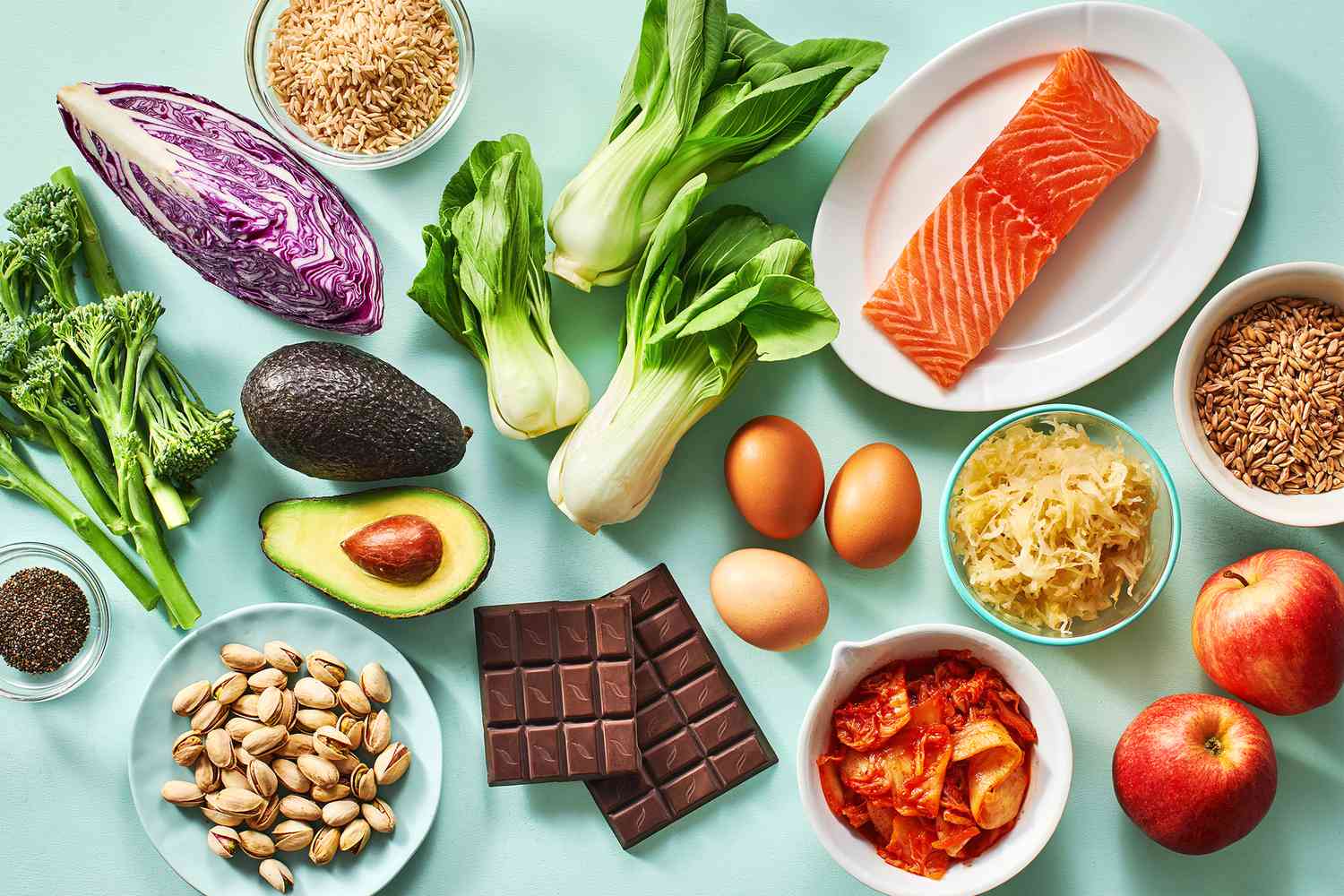

Losing weight effectively isn’t just about counting calories—it’s also about understanding how your metabolism works and how certain foods can naturally enhance it. Your metabolism determines how efficiently your body converts food into energy, influencing fat storage, appetite control, and overall vitality. Choosing weight loss foods that boost metabolism can be a game-changer in achieving sustainable fat loss and long-term wellness.
Understanding Metabolism and Its Role in Weight Loss
Metabolism refers to the complex biochemical processes that maintain life, primarily the conversion of food into energy. This process occurs continuously, even when you’re resting. The Basal Metabolic Rate (BMR) is the number of calories your body needs to perform basic functions like breathing and circulation. The higher your metabolic rate, the more calories you burn—both at rest and during activity.
Factors such as age, genetics, muscle mass, hormones, and diet directly influence metabolism. While you can’t change your genetics, you can certainly optimize your metabolism by making smarter dietary choices.
The Science Behind Metabolism-Boosting Foods
Certain foods have a thermogenic effect, meaning they require more energy to digest, absorb, and process nutrients. This increases calorie expenditure slightly after eating. Others influence hormones that regulate appetite, insulin sensitivity, and fat oxidation. Incorporating these metabolism-friendly foods into your daily diet can help you burn more calories and maintain lean body mass while losing fat.
Top Metabolism-Boosting Foods for Weight Loss
1. Lean Protein Sources
Protein is the most thermogenic macronutrient. It takes more energy for your body to digest protein compared to fats or carbohydrates. Moreover, it supports muscle repair and growth, which further increases your resting metabolic rate.
Excellent sources of lean protein include:
- Chicken breast
- Turkey
- Fish (such as salmon, tuna, and cod)
- Eggs
- Greek yogurt
- Cottage cheese
- Legumes and lentils
Tip: Aim to include a source of protein in every meal. This helps maintain satiety and supports continuous calorie burning throughout the day.
2. Green Tea and Matcha
Green tea is renowned for its metabolism-enhancing properties, primarily due to the presence of catechins—powerful antioxidants that promote fat oxidation. The combination of caffeine and catechins has been shown to increase thermogenesis and fat burning, especially during exercise.
Matcha, a powdered form of green tea, provides a more concentrated dose of these compounds. Sipping a cup of green tea or matcha daily can offer a mild but consistent metabolic boost.
3. Chili Peppers and Spicy Foods
Capsaicin, the compound responsible for the heat in chili peppers, temporarily increases your body temperature—a process known as diet-induced thermogenesis. This can help you burn additional calories after eating.
Adding a moderate amount of spice to meals can also suppress appetite and enhance fat oxidation. If you can handle the heat, include chili powder, cayenne pepper, or hot sauce in your cooking for a flavorful and metabolism-boosting effect.
4. Whole Grains
Unlike refined grains, whole grains contain fiber, vitamins, and minerals that support digestive health and improve satiety. The body expends more energy to break down complex carbohydrates found in whole grains, giving them a mild thermogenic advantage.
Examples of metabolism-boosting whole grains:
- Oats
- Brown rice
- Quinoa
- Barley
- Millet
These foods help regulate blood sugar levels, preventing insulin spikes that can slow metabolic efficiency and promote fat storage.
5. Coffee
Caffeine is one of the most researched metabolism enhancers. It stimulates the central nervous system, increasing heart rate and energy expenditure. Studies show that moderate caffeine intake can boost metabolic rate by 3–11%.
To get the benefits without overdoing it, limit coffee to 1–3 cups daily, avoiding excessive sugar or high-calorie additives. Black coffee or coffee with a splash of milk is best for maximizing its fat-burning potential.
6. Fatty Fish
Fatty fish like salmon, mackerel, and sardines are rich in omega-3 fatty acids, which play a crucial role in regulating metabolism and inflammation. Omega-3s may enhance fat oxidation and improve insulin sensitivity, allowing your body to use fat more efficiently as fuel.
Eating fish two to three times a week provides not only protein but also essential nutrients such as vitamin D and selenium—both of which are linked to better metabolic health.
7. Nuts and Seeds
Although calorie-dense, nuts and seeds contain healthy fats, protein, and fiber that promote satiety and regulate metabolism. They provide sustained energy, preventing blood sugar crashes that can slow metabolic processes.
Top choices include:
- Almonds
- Walnuts
- Chia seeds
- Flaxseeds
- Pumpkin seeds
A small handful as a snack or topping for yogurt or salads can make a meaningful difference in controlling hunger and supporting fat loss.
8. Apple Cider Vinegar
Apple cider vinegar may slightly increase metabolism due to its acetic acid content, which influences fat oxidation and appetite regulation. It can also improve insulin sensitivity, leading to more stable blood sugar levels.
Mix one to two teaspoons of apple cider vinegar with water before meals. However, avoid overconsumption as it can affect tooth enamel and digestion.
9. Leafy Green Vegetables
Leafy greens such as spinach, kale, and Swiss chard are nutrient-dense and extremely low in calories. They contain iron, magnesium, and antioxidants that support efficient oxygen transport and energy production.
Their high fiber content improves digestion and promotes fullness, which helps control calorie intake without slowing metabolism.
10. Berries
Berries like blueberries, raspberries, and blackberries are packed with antioxidants that reduce oxidative stress—a factor that can slow down metabolism. Their natural fiber content helps stabilize blood sugar and supports gut health, both essential for efficient calorie utilization.
11. Water
Hydration is critical for maintaining optimal metabolic function. Even mild dehydration can reduce calorie-burning efficiency. Drinking cold water has a temporary thermogenic effect, as your body expends energy to warm it to body temperature.
Aim for at least 8–10 glasses daily, and increase intake if you’re physically active.
Additional Dietary Habits That Support Metabolism
Eat Regularly and Mindfully
Skipping meals or extreme calorie restriction slows metabolism, as your body adapts to conserve energy. Eating small, balanced meals every 3–4 hours maintains energy levels and keeps your metabolism active throughout the day.
Build Muscle Mass
Muscle tissue burns more calories than fat, even at rest. Incorporating strength training and resistance exercises into your routine significantly enhances metabolic rate.
Prioritize Quality Sleep
Sleep deprivation affects hormones like leptin and ghrelin, which regulate hunger and metabolism. Aim for 7–9 hours of quality sleep per night to keep your body’s metabolic systems balanced.
Manage Stress
Chronic stress elevates cortisol levels, which can increase appetite and promote fat storage, particularly around the abdomen. Mindfulness practices, yoga, or breathing exercises can help regulate stress-related metabolic slowdowns.
Real-Life Application: Building a Metabolism-Boosting Meal Plan
To put these principles into practice, consider the following daily meal framework:
- Breakfast: Greek yogurt parfait with berries, chia seeds, and a drizzle of honey.
- Lunch: Grilled salmon with quinoa and steamed spinach.
- Snack: A handful of almonds and green tea.
- Dinner: Spicy chicken stir-fry with mixed vegetables and brown rice.
- Hydration: Water infused with lemon or cucumber throughout the day.
This plan combines lean proteins, complex carbs, healthy fats, and metabolism-enhancing ingredients that work synergistically to promote fat loss and energy balance.
FAQs
Q1: How quickly do metabolism-boosting foods work?
While some foods provide a short-term thermogenic effect, the true benefits come from consistent consumption. A diet rich in these foods, paired with regular exercise and proper sleep, can improve metabolic health within weeks.
Q2: Can I rely solely on metabolism-boosting foods for weight loss?
No single food guarantees weight loss. Sustainable results come from combining a balanced diet, calorie control, strength training, and an active lifestyle.
Q3: Are metabolism boosters safe for everyone?
Generally, natural foods that boost metabolism are safe, but individuals with conditions like thyroid disorders or hypertension should consult a healthcare provider before making drastic dietary changes.
Q4: Is it possible to slow down metabolism by dieting too much?
Yes. Extreme calorie restriction can lead to metabolic adaptation, where the body slows energy expenditure to conserve fuel. Eating nutrient-dense foods regularly helps prevent this.
Q5: Can drinking green tea alone increase fat loss?
Green tea supports fat oxidation but isn’t a magic solution. For visible results, it should complement a healthy diet and active lifestyle.
By choosing weight loss foods that boost metabolism and combining them with smart lifestyle habits, you can transform your body’s energy balance naturally. This strategy doesn’t rely on deprivation or quick fixes but focuses on nourishing your metabolism for long-term health and sustainable weight management.

Comments are closed.