
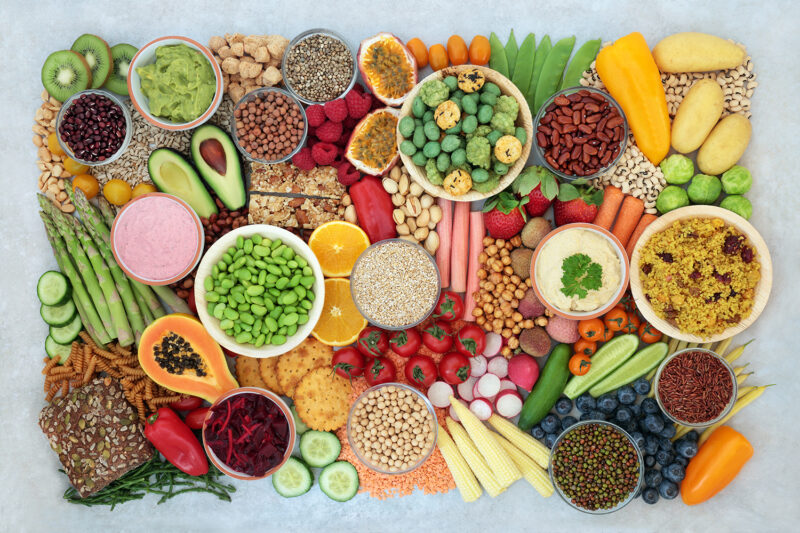

Adopting a plant-based diet offers remarkable health benefits, ranging from improved cardiovascular health and reduced inflammation to better weight management and a lower risk of chronic diseases. However, transitioning away from animal products requires careful planning and nutritional awareness. A poorly planned plant-based diet can lead to deficiencies in specific vitamins and minerals that are naturally abundant or uniquely bioavailable in animal foods.
Safely navigating plant-based nutrition is entirely achievable with a proper understanding of how to source every essential nutrient. By focusing on food variety, strategic combinations, and targeted supplementation when necessary, you can thrive on a plant-powered lifestyle while protecting your long-term health and vitality.
Mastering Complete Proteins
One of the most common myths surrounding plant-based eating is that it is difficult to consume adequate protein. Plants contain abundant protein, but individual plant foods often lack one or more of the essential amino acids that the human body cannot synthesize on its own. While animal products are complete proteins containing all nine essential amino acids in optimal ratios, plant proteins require a bit more strategy.
You do not need to combine specific proteins at every single meal, as long as you consume a diverse variety of plant proteins throughout the day. Grains, legumes, nuts, seeds, and soy products complement each other naturally to provide all the building blocks your muscle tissue and metabolic enzymes require.
-
Soy powerhouses: Foods like tofu, tempeh, and edamame are rare examples of complete plant proteins that contain every essential amino acid in high amounts.
-
Legume and grain pairings: Combining beans, lentils, or chickpeas with rice, quinoa, or oats creates a nutritionally complete amino acid profile over the course of the day.
-
Nuts and seeds: Hemp seeds, chia seeds, pumpkin seeds, and almonds add both healthy fats and significant protein to smoothies, salads, and oatmeal.
Securing Adequate Iron Intake
Iron is an essential mineral responsible for carrying oxygen through your bloodstream via hemoglobin. Plant-based diets contain non-heme iron, which is absorbed by the human body less efficiently than the heme iron found in meat. Consequently, individuals following a plant-based diet need to consume higher overall amounts of iron and utilize dietary techniques that enhance mineral absorption.
Fortunately, nature provides a simple chemical key to unlock plant-based iron absorption. Pairing iron-rich plant foods with sources of vitamin C dramatically increases the bioavailability of non-heme iron, turning a modest meal into an efficient source of cellular oxygenation.
-
Top plant iron sources: Lentils, spinach, pumpkin seeds, black beans, quinoa, and fortified cereals are packed with dietary iron.
-
The vitamin C catalyst: Squeezing fresh lemon juice over your spinach salad or eating bell peppers alongside your lentil soup multiplies iron absorption.
-
Avoiding absorption inhibitors: Coffee and black tea contain compounds called tannins that bind to iron and block its absorption, so enjoy these beverages between meals rather than directly with food.
Sourcing Vitamin B12 Safely
Vitamin B12 is the single most critical nutrient to monitor on a plant-based diet because it is produced by soil bacteria and synthesized almost exclusively in animal tissues. Unwashed organic vegetables can sometimes trace minor amounts of B12, but relying on this is unsafe and risks severe neurological and hematological deficiencies.
Anyone eating a strictly plant-based diet must proactively include vitamin B12 in their regimen. This can be accomplished reliably through foods that have been fortified with the vitamin or by taking a direct daily or weekly B12 supplement.
-
Nutritional yeast: Many brands of savory, flaky nutritional yeast are fortified with cyanocobalamin, making them an easy sprinkle-on topping for pasta and popcorn.
-
Fortified plant milks: Check labels on soy, almond, and oat milks to find varieties enriched with B12 and other essential vitamins.
-
Reliable supplementation: Taking a sublingual methylcobalamin or cyanocobalamin supplement is the safest, most foolproof method to maintain optimal B12 levels.
Optimizing Calcium and Bone Health
When people think of calcium, dairy milk usually comes to mind immediately. However, strong bones require calcium and supportive co-factors like vitamin D and magnesium, all of which are widely available in the plant kingdom if you know where to look.
Dark leafy greens, cruciferous vegetables, and calcium-set tofu provide substantial amounts of this bone-building mineral. It is important to note that certain greens, like spinach and Swiss chard, contain high levels of oxalates, which bind to calcium and reduce its absorption. Opting for low-oxalate greens ensures your body actually utilizes the calcium you consume.
-
Low-oxalate greens: Kale, bok choy, broccoli, and collard greens offer highly absorbable calcium for skeletal health.
-
Fortified alternatives: Plant-based milks and orange juices are frequently fortified with calcium carbonate to match or exceed dairy levels.
-
Vitamin D synergy: Ensure you get adequate sunlight exposure or take a vegan vitamin D3 supplement, as vitamin D is mandatory for calcium absorption in the gut.
Balancing Omega-3 Fatty Acids
Omega-3 fatty acids are essential fats that support brain function, lower systemic inflammation, and protect cardiovascular health. While fatty fish are famous for providing EPA and DHA omega-3s, the plant kingdom is exceptionally rich in ALA, a precursor omega-3 fatty acid that the human body can convert into EPA and DHA.
Plant-based eaters can easily meet their ALA requirements through nuts and seeds, though the conversion rate to EPA and DHA can be somewhat low. For optimal cognitive and heart protection, some individuals choose to supplement with algae-derived oil, which provides direct EPA and DHA without relying on animal products or fish populations.
-
Flax and chia seeds: Ground flaxseeds and whole chia seeds can be mixed into baked goods, puddings, or oatmeal to deliver a heavy dose of ALA.
-
Walnuts: Snacking on a handful of raw walnuts provides a convenient, crunchy boost of essential fatty acids.
-
Algae oil supplements: Direct-source vegan omega-3 supplements bypass the conversion process entirely, ensuring robust brain and eye health support.
Frequently Asked Questions
Can children safely follow a plant-based diet?
Yes, according to major pediatric and dietetic organizations, properly planned plant-based diets are healthy and nutritionally adequate for all stages of life, including childhood and adolescence, provided parents pay close attention to calories, protein, B12, and iron.
How can I tell if I have a nutrient deficiency on a plant-based diet?
Routine blood work ordered by a healthcare provider is the most accurate way to detect deficiencies. Testing your complete blood count, ferritin, vitamin B12, vitamin D, and lipid panels once a year helps catch and correct any nutritional gaps early.
Are plant-based diets naturally lower in zinc?
Plant-based sources of zinc, such as pumpkin seeds, hemp hearts, and legumes, contain compounds called phytates that can reduce zinc absorption. Soaking, sprouting, or fermenting beans and grains helps break down phytates and increases zinc bioavailability.
Is iodine a concern on a plant-based diet?
Iodine intake depends heavily on soil quality and whether you consume iodized salt or sea vegetables like kelp and nori. Using iodized table salt in moderation or incorporating small amounts of sea vegetables ensures your thyroid functions properly.
Do I need to buy expensive specialty foods to eat a healthy plant-based diet?
No, the healthiest plant-based diets are built around budget-friendly staples like dried beans, lentils, brown rice, oats, seasonal vegetables, frozen fruits, and basic nuts and seeds rather than expensive processed meat alternatives.
Why do some people feel fatigued when first switching to a plant-based diet?
Initial fatigue is often caused by an accidental drop in total caloric intake or insufficient carbohydrate and protein consumption. Because plant foods are high in fiber, they fill you up faster, so you must eat adequate portions to maintain your daily energy needs.
Can a plant-based diet support high-level athletic performance?
Many elite endurance runners, bodybuilders, and professional athletes thrive on plant-based diets. Success relies on consuming enough total calories, prioritizing complete proteins, and timing carbohydrate intake effectively around training sessions.

Comments are closed.